xblueCamera

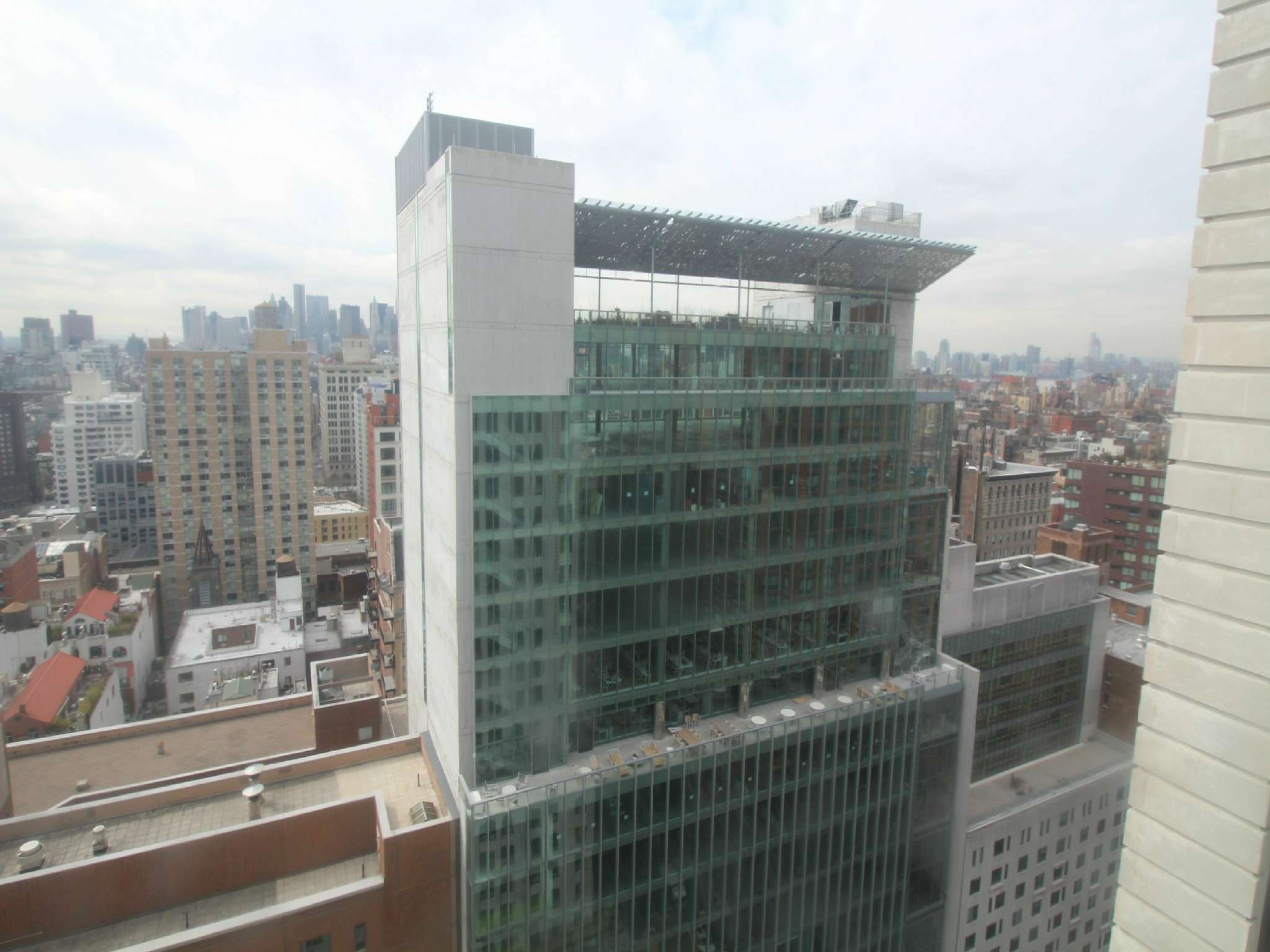



A food hall with a diversity of upscale vendors was a major selling point for
Zero Irving, a 21-story, 240,000-square-foot project with 176,000 square feet
of offices in Union Square. When RAL Development Services, the
developers, signed a vendor to run it, it was a special day.
But in the current COVID-dominated environment, with its restrictions on
indoor dining, a food court was a not-so-strong selling point. Fortunately for
RAL and financial partner Junius Real Estate Partners, the food court was
designed to be indoor-outdoor with a courtyard in the rear, where people can
eat in an environment less conducive to passing the virus.
And each vendor had access to food delivery, so people could also eat in their
offices. This particular amenity in the Zero Irving project could carry on.
“Clearly, it’s been a challenging environment, but we’ve done pretty well,”
said Ben Bass, a managing director at JLL, and the broker in charge of
leasing the office space. The builders are currently weighing competing
offers for office tenants, he said. It’s supposed to open next year.
COVID-19 has thrown a huge curveball at the office leasing market, which
was already adjusting to some radical new realities. Leases are shorter, users
want more flexibility, and amenities often drive deals. The better the food
options, the conference space, the opportunities for recreation and fitness,
accommodations for pets and bicycle riders, the more likely the lease.
Toss in coronavirus, and the world becomes an even more radically different
place. Now, landlords have to figure out whether demand for six feet between
bodies is a secular or cyclical development, likely to be forgotten in a couple
of years when COVID is a memory. And, they have to figure out what
amenities will appeal to tenants in a post-COVID world. A lot of people
remember how, post-9/11, companies didn’t want to be on a high floor, but
years later, high floors were in demand.
“It’s too early for most occupiers to know what their future looks like,” said
David Smith, Americas head of occupier insights for Cushman & Wakefield.
“I would say that the layout of spaces is likely to change. There’ll be less
emphasis on individual workspaces, and more emphasis on collaborative
spaces. [But,] it’s too early to know if footprints are going to grow or
shrink.’’
Even pre-COVID, the workplace was rapidly becoming a place where
workers had to want to be, rather than needed to be.
Hence, the proliferation of hospitality-like amenities, such as gyms, showers,
and other things to enhance fitness; a diversity of food and terraces offering
an opportunity to go outside during the work day, or even to work outside,
with Wi-Fi extending to outdoor areas; even a concierge to help workers
enhance their office experience. Brokers say landlords were taking their cues
from high-end hotels, which compete over how to make their guests ever
more comfortable.
They also say that the COVID months have only enhanced and sped up that
trend. Workers, if they hadn’t figured that out already, now know they can be
sufficiently productive at home, thus avoiding the time and the potential virus
exposure of commuting. Almost by definition, public transportation requires
less than six feet of separation between commuters.
“You don’t have to go through the trouble of going into the office to respond
to emails, as an example,” Smith said.
Networking or collaboration might be a different story. Smith said he expects
executives to require that their workers be in the office on certain days, but,
on the whole, “it’s clear that employees are expecting to have more flexibility
post-COVID than pre[-COVID]. Most companies are on board with that, but
that doesn’t mean they’re not going to want people to be in the office pretty
regularly for some balance.”
After many years of taking it on the chin, suburban office might finally have
a leg up on their central business brethren, brokers say, at least until there’s a
vaccine. Commuting to work in private automobiles is healthier than mass
transit, since drivers can keep their germs to themselves. Suburban offices
almost invariably come with abundant parking.
In the cities, accommodating bicycles is only the beginning, said Evan
Haskell, an executive vice president in CBRE Group’s New York office.
“It’s a lot more than just bike storage,” he said. “We’ve started to refer to it
as personal mobility centers. People are looking to diversify how they
commute. Access to mass transit is still going to be an important thing. But,
even beyond that, people are going to want to have alternative means of
commuting. A lot of people [have] scooters, or they’re looking at
skateboards, you name it, or even car parking. The idea that you’re able to
accommodate tenants with personal forms of transit is really important. Most
buildings weren’t designed with this in mind.”
One fortunate thing for urban offices is that landlords have been thinking, for
years now, about air filtration systems as they compete for top LEED
environmental designations, finding that tenants are willing to pay for
sophisticated filtration as a means of keeping employees healthier. Those
systems are more important than ever. So are building-based fitness centers,
where people have a chance to work out with coworkers, instead of perfect
strangers, as they would at a commercial gym, Haskell added.
Still, if employees choose to work from home more, one of the things they
might do with the time they save is go to a gym near their home, said Sarah
Gibbons-Scheets, leader of CBRE’s workplace strategies team for the
Northeast, which studies how people work on behalf of their companies.
“It comes down to what we’ve been calling the three Cs: culture, community,
collaboration,” she said. “The most valued things are going to be the things
that enhance people wanting to come into the office more.”